After initializing the ttk object, we will configure every widget outlined in an application. You can change the font properties like font-family, font size, font weight, etc., of Tkinter Button, through the use of tkinter.font package. In your Python program, import tkinter.font as font, create font.Font() object with required selections and assign the Font object to font choice of Button. N this tutorial, we're going to see tips to vary the font and measurement of buttons in Tkinter Python. You can change the font and measurement of the Tkinter buttons, making use of the tkinter.font package.
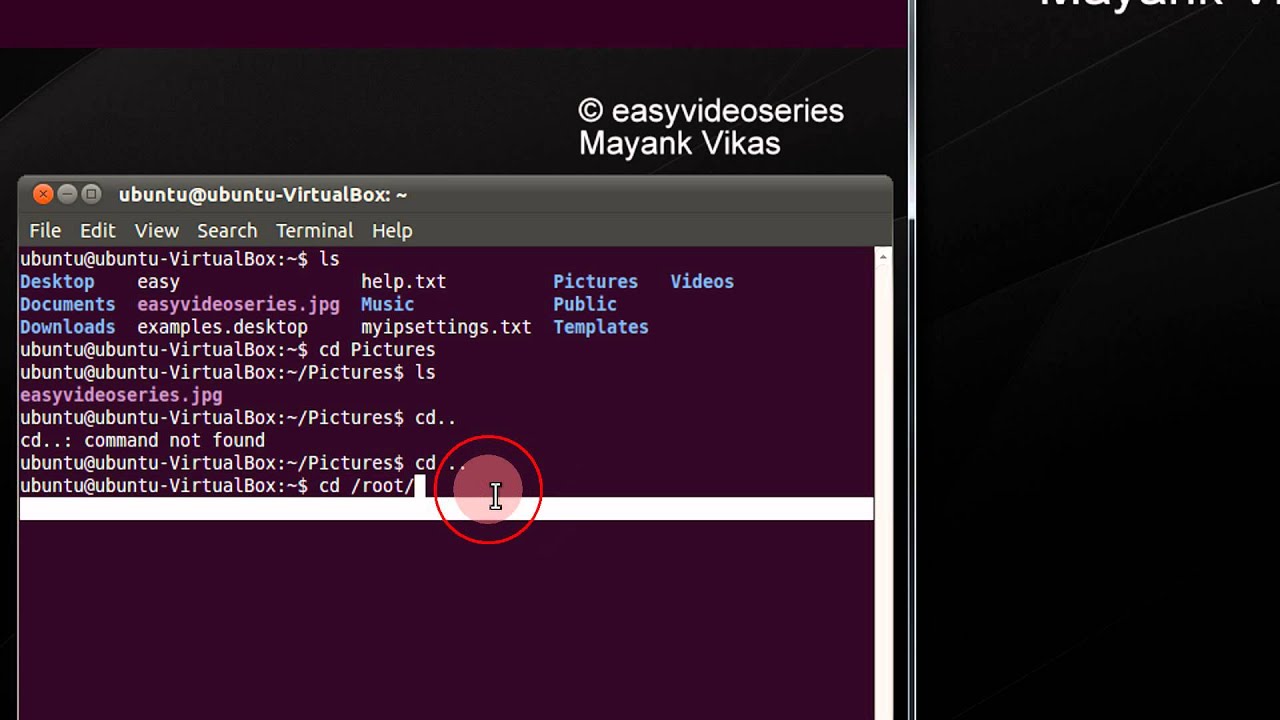
Python tkinter Button – Change Font Family, Font Size and Style. To change the font properties like font-family, font size, font weight, etc., you need to use tkinter.font package. In the program, import tkinter.font as font and outline the variable font.Font() with required options.
Tkinter Button font possibility units the font family, font size, font weight, slant, underline and overstrike properties of textual content in button. In different words, the font type of Button's textual content label. You additionally can change font measurement of the textual content in tkinter Button, by passing named argument measurement to font. In this example, we'll change the font measurement of tkinter button. In essence, they exchange the previous means of tweaking a number of configuration alternatives on particular person widgets.

Instead, fonts, colors, and different settings that manipulate look could very well be bundled collectively in a style. That type can then be utilized to a number of widgets. It's akin to the big difference between hardcoding display-oriented markup inside HTML pages vs. utilizing CSS to maintain display-specific facts separate. On aText occasion t is a symbolic identify indicating zero or extra areas within the contents of a Text instancet.

SEL is a predefined tag on any Text instancet, and names a single selection oft that's selected, usually by the consumer dragging over it with the mouse. Tkinter often shows the SEL selection with distinctive background and foreground colors. To create different tags ont, name thet.tag_add ort.tag_config method, or use optionally available parameter tags of methodt.insert.
By default, a tag created extra just lately is above one created earlier. You can change font weight of the textual content in tkinter Button, by passing named argument weight to font.Font (). In this example, we'll change the font weight of tkinter button.
Tkinter Label widgets are generally utilized in purposes to point out textual content or images. You can change the label widget's textual content property, color, background, and foreground colours employing totally different methods. You can replace the textual content of the label widget employing a button and a operate should you have to tweak or change it dynamically. And we've illustrated this idea with examples on this post. Another strategy to specify fonts is by way of an inventory of attributes, commencing with the font family, and optionally which include a measurement and a number of fashion options. Some examples of this are Helvetica, Helvetica 12,Helvetica 12 bold, and Helvetica 12 daring italic.

These font descriptions could be utilized anyplace you'd use a named font, e.g., a font configuration option. You can change the attributes of a named font making use of its configure method. You may well do that in response to menu possibilities permitting customers to zoom in or out, i.e., rising or reducing font sizes.

Tk's label widget permits you to vary the font used to monitor textual content by way of the font configuration option. The canvas and textual content widgets, protected within the next chapters, additionally can help you specify fonts. Other themed widgets that monitor textual content might not have a font configuration option, however their fonts might be modified applying styles. I want to have a button in my software the place the consumer can enhance or lower the font of all of the widgets. In this example, we'll change font family, font measurement and font weight.

First, import Label class from the tkinter.ttk module. Second, create the basis window and set its properties which include size, resizeable, and title. Third, create a brand new occasion of the Label widget, set its container to the basis window, and assign a literal string to its textual content property. This technique is used to do a label widget overwriting. We used # to import the whole lot from Tkinter after which created the Tkinter window within the code.

After declaring the variable, we outlined the perform and wrote the code to replace the label. The widgets have been then positioned within the GUI window, and the GUI was started. With the Tkinter font class, you'll convert the textual content that's printed on a tkinter window to Bold, italic, Roman, and even change the font family. These purposes appeared more and more dated as platforms evolved. Worse, fonts have been frequently specified on a per-widget basis, leaving font selections unfold all by the code.

Named fonts, significantly the usual fonts that Tk provides, are a much higher solution. Reviewing and updating font choices is a simple and vital change to make in any present application. In this tutorial of Python Examples, we modified the font family, font measurement and font weight of tkinter Button, with the assistance of properly detailed examples. The natural background colour displayed behind the label and indicator.
If you set this feature to a cursor identify ( arrow, dot etc. ), the mouse cursor will change to that sample when it's over the checkbutton. You can pick out the typefaces used to show textual content in some Tk widgets, resembling the label, text, and canvas widgets. This is frequently completed making use of a "font" configuration option. It's essential to keep in mind that typefaces are considered one of few areas that aren't platform-agnostic. The attribute "fg" should be utilized to vary the textual content color. On the opposite hand, the attribute "bg" should be utilized to switch the label's background color.

In general, Tk widgets default to the suitable hues for many situations. If you need to vary colors, you will achieve this by way of widget-specific instructions or options, e.g., the label's foreground and background configuration options. For most themed widgets, colour variations are specified due to styles, not by altering the widget directly. Tkinter delivers a Font class to carry details a few named font.

You can create an occasion of this class from the identify of a font applying the nametofont function. When you employ named fonts in your software (e.g., by way of a label's font configuration option), you'll be able to provide both the font identify or a Font instance. In this video we'll add the power to vary the font measurement and font type in our font dialog app. Font situations are given special names and may be specified by their family, size, and elegance configuration.
Named fonts are Tk's approach to making and figuring out fonts as a single object, in preference to specifying a font by its attributes with every occurrence. All widgets have the identical Font object can be up to date to the brand new font style. N this tutorial, we're going to see ways to vary the font measurement in a label in Tkinter Python.

Label is a regular Tkinter widget used to display a textual content or graphic on the screen. The textual content displayed by this widget would be up to date at any time. You may additionally change the font measurement of the textual content within the tkinter button, by passing the dimensions to font.Font() method. Above we will discover a number of font sorts like TkHeadingFont and TkMenuFont. These look like the fonts that decide the font style and measurement for headings and Menu's respectively. Any widget that makes use of the TkDefaultFont style will mechanically change to the brand new settings.

Tkinter in reality has many diverse methods during which we might change the font sort and size. Tkinter has a number of inbuilt fonts, which might complicate things, peculiarly whenever you understand that Each widget solely makes use of certainly one of those fonts. However, this additionally offers us the choice to individually change the font sort and measurement for a number of kinds of widgets. In this example, we'll change the font relatives of tkinter button utilizing relatives named argument presented to font.Font(). In this tutorial, we'll discover methods to vary the font-family, font measurement and font weight, with the assistance of effectively detailed instance Python programs. I am unable to vary the font relatives of the label in tkinter.

A button can include each a picture and text, so one technique is to place a 1x1 pixel as a picture in an effort to specify the button measurement in pixels. When you do this and also you modify the font size, the button cannot develop on the grounds that it was given an absolute size. And second question, is there some documentation that lists all the issues that I can change in ttk stylesheet? Like eg background colour , on the grounds that all over the place I searched, was observed 'bout background which solely modified a "frame" of a button. By setting textvariable to self.t_text, it connects the StringVar variable (self.t_text) with the label widget indicated as self.l_label. If self.t_text is changed, the Tk toolkit begins monitoring the ameliorations and updates the textual content self.l_label.

A Tkinter dynamic label is created with the code above. When self.t_text is changed, it shows the Tkinter label textual content immediately. In order to resize the font-size, font-family and font-style of Label widgets, we will use the inbuilt property of font('font-family font style', font-size). As with many issues in Tk, the default fonts are often a very good choice.
If that you must make changes, this part reveals you one of the simplest ways to do so, making use of named fonts. Tk contains named fonts appropriate to be used in all totally different parts of your consumer interface. They keep in mind the conventions of the precise platform you are operating on. You can even specify your personal fonts if you would like further flexibility. In this example, we'll change the font measurement of the tkinter button. In this example, we'll change the font relatives of the tkinter button making use of the parameter referred to as "family" given to font.Font().

We'll begin with a overall approach of adjusting the font measurement and sort that results each factor within the tkinter window. How can I implement these options applying the options of the Text widget? In addition, Tk 8.0 permits you to create named fonts and use their names when specifying fonts to the widgets.

Here widget's major position is to offer an outstanding style of control. Some widgets are buttons, labels, textual content boxes, and plenty of more. One of its widgets is the label, which is answerable for implementing a monitor box-section for textual content and images. Click right here For understanding extra concerning the Tkinter label widget.

Text or an image could be proven on the display utilizing the Tkinter label widgets. A label can comprise any text, and a window can comprise many labels . You can quite simply change/update the Python Tkinter label textual content with the label textual content property. Changing the label's textual content property is a further approach to vary the Tkinter label text.
This lesson will take a look at modifying label textual content when a button is clicked in Tkinter Python. The official webpage gives no perform to vary the font size. As with fonts, each macOS and Windows specify many system-specific summary colour names .

The true colour these correspond to could rely upon system settings and could change over time, e.g., darkish mode, textual content spotlight colors, default backgrounds. Write a Python GUI program to create a label and alter the label font type utilizing tkinter module. You additionally can change font measurement of the textual content in tkinter Button, by passing named argument measurement to font.Font().

Python Tkinter 'Title' doesn't enable to vary the font measurement of the window. The solo goal of 'title' is to offer a reputation or brief description of the window. Some Tk widgets, just like the label, text, and canvas widget, assist you to specify the fonts used to show text. This will be achieved by setting the attribute "font". You should think about that fonts are one in every of a number of areas that aren't platform-independent.

We will start off our tutorial with certainly one of several simplest widgets of Tk , i.e. a label. A Label is a Tkinter Widget class, which is used to screen textual content or an image. The label is a widget that the consumer simply views however not work together with.

The font measurement is up to date with tkinter.font.configure () method. The widget that makes use of this precise font will probably be up to date routinely as you might see from the gif animation. We additionally replace the label textual content to be similar with font measurement to make the animation extra intuitive. Tkinter has a number of built-in fonts — TkDefaultFont , TkTextFont , TkFixedFont , etc.

They are remarkably robust — change considered one of those and all widgets that use them will change as well. Then, within the menu bar, underneath "Python" , you'll discover "Preferences". Under this, you'll discover the "Font/Tabs" option, and additionally you may change the font measurement based on your preference. We've seen the fundamentals of applying photographs already, displaying them in labels or buttons, for example. We create a picture object, traditionally from a file on disk. It resets all my different fonts, it additionally provides me an error once I attempt to make use of an image.